
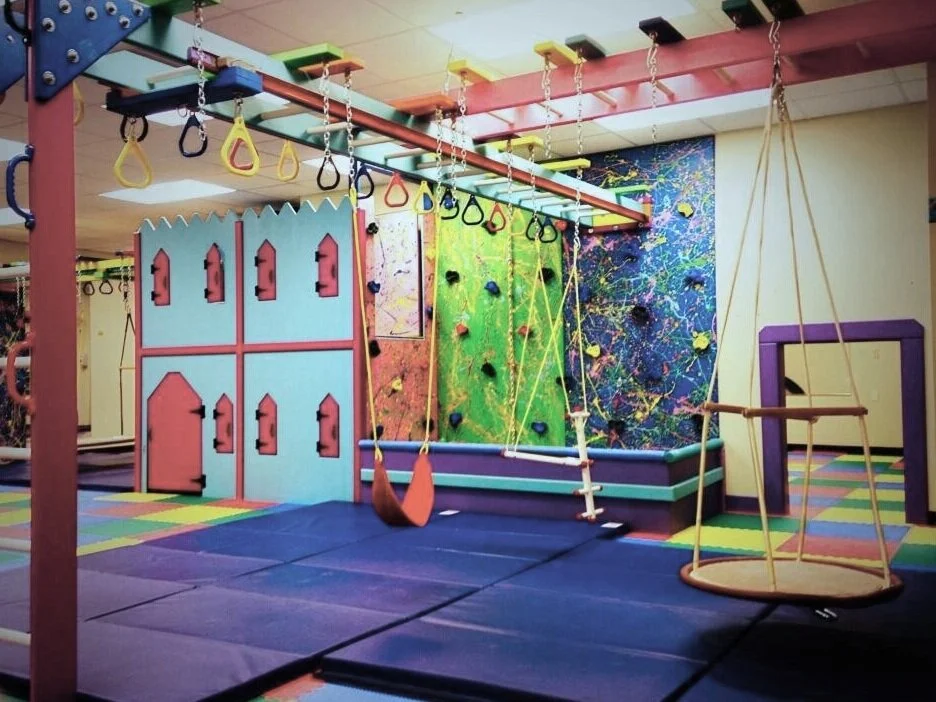
Physical Therapy
Physical therapy helps with postural and motor control, balance and equilibrium skills, gait, muscular strength and endurance, range of motion and flexibility, coordination skills and developmental delays.
Understanding Physical Therapy
Our Physical Therapists (PTs) help children move better, get stronger, and be more independent in their daily lives. Each child gets a care plan made just for them after a full evaluation. The plan is based on their needs, goals, and daily environment. Families are an important part of the process and are involved every step of the way.Pediatric physical therapy focuses on helping children move and reach important milestones as they grow. It can help children become more independent, join in everyday activities, build strength and endurance, and make learning easier. It can also help reduce challenges with daily care.
Our PTs are specially trained to work with children who have many different movement and neurological conditions, such as:
Developmental Delays
Neurological & Genetic Conditions
Orthopedic & Musculoskeletal Concerns
Injuries or Medical Conditions
Balance, Coordination & Mobility Challenges
Torticollis
What to Expect
We take a collaborative, family-centered approach to care. The therapy process typically includes:
Comprehensive Evaluation: A thorough assessment of your child’s strength, mobility, coordination, and developmental skills
Individualized Care Plan: A customized therapy plan with clear, functional goals tailored to your child’s needs
One-on-One Treatment Sessions: Engaging, play-based interventions designed to build skills in a supportive environment
Caregiver Education: Ongoing guidance and strategies to support progress at home and in daily routines
Regular Progress Monitoring: Continuous evaluation and adjustment of goals to ensure meaningful outcomes
Services We Provide
Children may benefit from physical therapy to improve mobility, independence, and participation in daily activities. Our pediatric physical therapy services include:
Movement & Strength
Strength and flexibility
Balance and coordination development
Gait training and overall mobility support
Transfer training (moving safely between positions, e.g., sitting, standing, lying down)
Daily Function & Positioning
Postural control and positioning strategies
Neuromuscular re-education
Injury recovery and rehabilitation
Equipment assessment and recommendations (e.g., orthotics, walkers)
Gross Motor & Developmental Skills
Gross motor skill development and milestone progression
Mobility training (crawling, walking, running, hopping)
Play-based skill development, including ball skills and interaction with age-appropriate toys